The altitude of Etna disrupts all clothing references. Even in the heart of summer, climbing to 3,300 meters means facing a radical drop in temperature and gusts from elsewhere. It’s better to layer up and forget about classic foresight: here, the weather moves quickly and disregards forecasts.
On the lava, the trail is anything but gentle. Sharp stones, heat underfoot, sudden chill up high: each ascent tests the durability of your shoes and the effectiveness of your planning. Acclimatizing to the contrasts is part of the game: hiking on Etna means dealing with the unexpected at every step.
Understanding Sicilian Weather: Variations and Surprises
The image of Sicily bathed in sunlight doesn’t tell the whole story. By the seaside, the light hits hard and the air heats up quickly. But an hour later, driving towards the volcano, the climate changes tone. In Catania, a T-shirt is a must; halfway up the crater, one is already dreaming of a sweater. In Sicily, the day often plays out across several seasons.
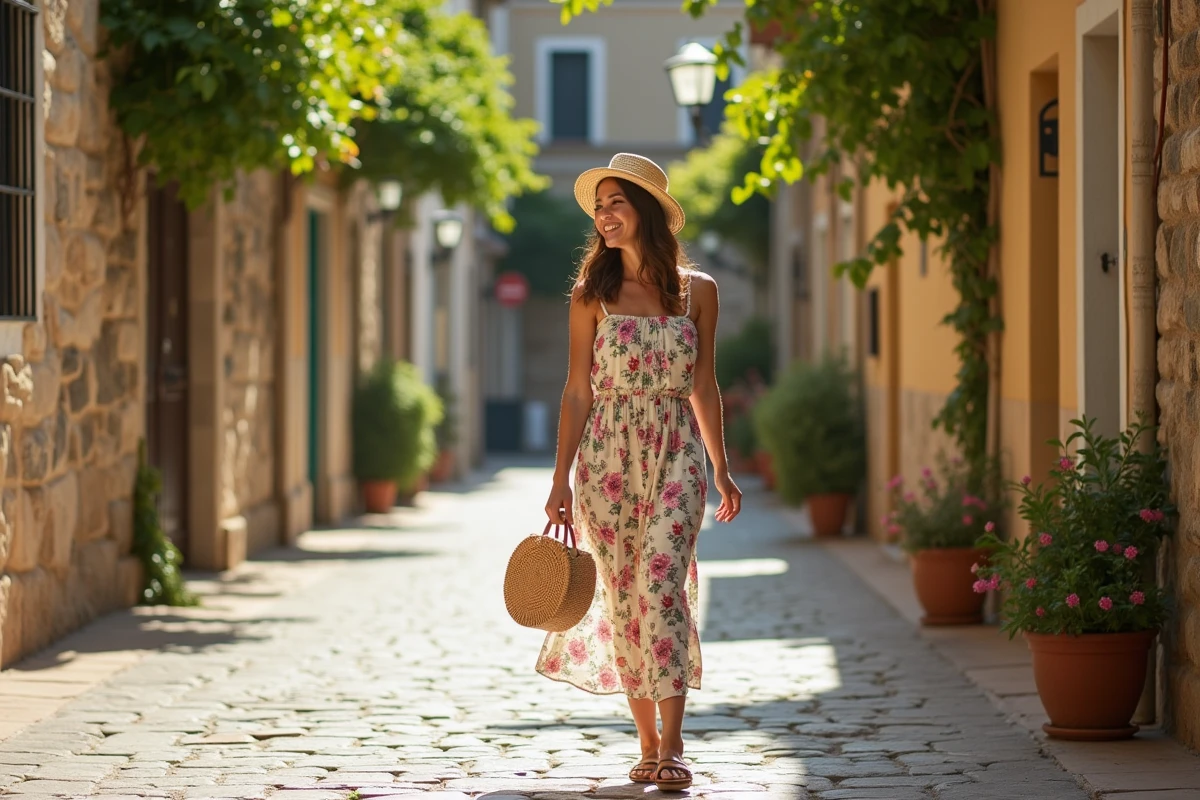
As early as winter, the cold quickly creeps up the slopes. Sicilians know this: a sweater or fleece is never superfluous, and even a compact down jacket finds its place at altitude. The gap with the coast can be disorienting, especially if one sets off without caution. Spring and autumn offer a gentler perspective. Sun at its zenith, but a cool breeze as altitude rises, clear panoramas, and less dense crowds. To distinguish the true demands of the terrain, the article how to dress in Sicily provides a precise overview of these climatic subtleties and helps choose the right pieces, from the historic center of Taormina to the lunar landscapes of Etna.
What Clothes to Prepare According to the Season?
Winter: Layering and Good Insulation
Etna in winter spares nothing for those who neglect thickness. Start with a technical base layer, add a fleece and a water-repellent jacket. The weather can turn for the worse without warning: a hat, gloves, and scarf are essential. The sturdiness of shoes is non-negotiable: frost quickly turns stones into slippery traps.
Spring and Autumn: Flexibility and Quick Removal
Days fluctuate between coolness and warmth. Opt for versatility: breathable t-shirt, sweater for the early morning, windbreaker that can be forgotten at the bottom of the bag. When the wind suddenly picks up, a cap or light scarf provides protection. Sneakers are not invited; volcanic rock requires a proper sole.
Summer: Coolness and Sun Protection
At the summit, even in July, it’s not uncommon to put on long sleeves and a light windbreaker. The black lava absorbs heat, the rays hit hard, but the breeze exposes one to sudden changes. Long sleeves, sunglasses, sunscreen: the basics to avoid sunstroke. Watch out for mosquitoes as soon as the sun declines: keep insect repellent handy. For every hike, a blanket and lightweight gear in the bag remain a winning combination.
To hike on Etna, keep these choices in mind:
- A pair of sturdy hiking shoes
- Clothes suitable for each season
- Covering pieces against sun and wind
- Insect repellent starting in summer
Between the whims of the wind, persistent humidity, and unpredictable temperatures, preparing your outfit becomes a matter of every moment. Nothing beats responsiveness and adaptable equipment when facing the turns of Etna.
Packing Your Bag: Efficiency and Avoiding Missteps
Packing your bag starts with one principle: lighten, sort, optimize. Every piece counts double: the waterproof jacket also serves as a windbreaker, a technical sweatshirt can act as a base layer. Ditch the superfluous: heels, precious jewelry, or useless gadgets stay at the hotel.
Think practical: a water bottle must be included, as water becomes scarce at higher altitudes and effort quickly leads to thirst. Hiking shoes remain essential in any season. Anticipating also means preparing a mini first aid kit with band-aids, insect repellent, and some medications. By spring, it’s better to be equipped against unexpected bites.
An external battery becomes invaluable if the phone dies far from a refuge: eSIM or not, navigation becomes crucial away from urban networks. Considering health is not excessive: travel insurance and the European Health Insurance Card are assets at the bottom of the bag against the unexpected.
For the following steps: gathering passport, license, currency (the euro prevails), and bank card is often sufficient. An electrical adapter will facilitate the charging of common devices. Those who like to keep track of precious moments can add a notebook and pen: noting the villages crossed or the atmosphere at the summit gives substance to their travel story.
Sicily fascinates with its contrasts: between volcanic ridges, sandy beaches, and vibrant alleys, it forces a reinvention of practical choices to transition from the arid to the comfortable. And sometimes, it all comes down to a well-packed jacket or a notebook slipped to the bottom of the bag.