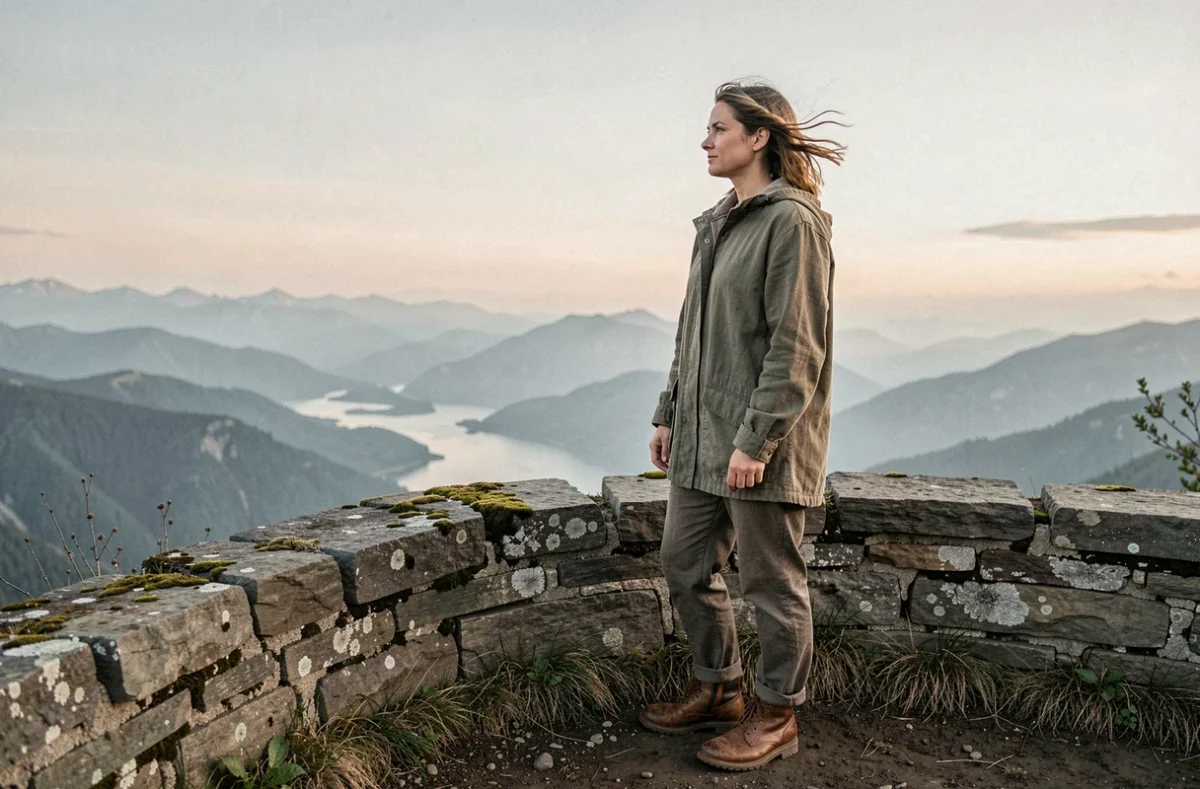
Discovering new horizons is about more than booking a flight to a faraway destination. The term encompasses any effort to break away from ingrained habits, whether through travel, learning or a new cultural experience. What matters is less the distance covered than the ability to shift your sensory and cognitive frame of reference.
Everyday micro-adventures: break your routine without going far
A change of scenery often begins just a few miles from home. Visiting an unfamiliar neighborhood in your own city, stepping into a pottery studio or taking a cooking class focused on another region’s cuisine can have an effect comparable to a short trip elsewhere. The brain processes these new situations as novel stimuli, which activates the same circuits as travel.
Some practical ideas require neither a budget nor extensive planning. On Quelque-part, suggestions range from nearby getaways to more ambitious immersive experiences, all guided by one principle: prioritize the quality of discovery over the number of destinations visited.
- Join a local language exchange to practice a living language in an informal setting, with no registration fee
- Explore a farmers’ market in a nearby village and cook a regional dish you’ve never tried before
- Join a themed hike (botany, geology, industrial heritage) led by a local association
- Attend a screening or public reading at a library outside your usual network
Each of these activities offers a break from everyday routines. Even a small shift is enough to renew your perception of your surroundings.

Choose a travel destination based on your constraints, not the postcard view
Most travel inspiration guides rely on images: a turquoise beach, a golden temple, a misty fjord. The problem with this approach is that it steers people toward places already crowded with visitors, where the actual experience falls short of the visual promise.
A more reliable method is to start with a personal constraint to narrow down your options. A limited budget, a short trip, a need for peace and quiet, a desire to learn, a particular diet: each constraint rules out unsuitable destinations and brings alternatives to light that you might not have considered.
Practical constraints and digital formalities
Travelers considering Europe need to factor in a recent change. Schengen border crossings are now digitally recorded for many non-European travelers through the EES (Entry/Exit System). In practice, this means self-service kiosks and mobile pre-registration tools at airports and train stations.
This system may increase waiting times during a first crossing. If your ambitious itinerary involves crossing several borders, allow extra time for these formalities. Also, the ETIAS travel authorization, often confused with the EES, was not yet in operation as of the latest official checks. It’s best to consult the European Union’s portal rather than commercial websites that announce dates without confirmation.
This kind of administrative requirement is not a barrier; it can help structure a trip. Planning ahead for formalities turns a vague idea into a workable plan.
Learning as a way to discover: classes, workshops and immersive experiences
Travel and learning share a common mechanism: exposure to the unfamiliar. Taking a pottery class in Japan, a sailing course in Brittany or a writing workshop in a foreign city anchors the memory in a hands-on activity, rather than a simple visit.
Learning in context offers an advantage that conventional tourism does not. When you take on the role of a student, your relationship with local people changes. It becomes collaborative, opening the door to exchanges that would be impossible as a visitor.
Accessible formats for a first step
Not every experience requires crossing an ocean.
- Half-day workshops (cooking, crafts, photography) offered by local tourist offices let you try something new without a major commitment
- Short language stays of one to two weeks combine cultural immersion with measurable progress in a language
- Volunteer projects (heritage restoration, agriculture) offer accommodation in exchange for a few hours of work each day, at a very low cost
In each case, discovery comes through action rather than observation. The resulting memory lasts longer because it engages the body and procedural memory, not just visual memory.

Digital travel and advance planning: filter out the noise
The sheer volume of online information about destinations and activities has a paradoxical effect. The more options there are, the harder it becomes to decide. Filtering your inspiration before you plan helps you avoid spending weeks comparing options without ever making a choice.
A few simple criteria can help cut through the noise. First, rule out sponsored content that presents a destination in an exclusively positive light. Then, cross-check at least three independent sources before choosing a place or activity. Finally, verify the actual requirements (visa, vaccinations, season, accessibility) rather than relying on vague summaries.
The rise of digitally assisted travel, illustrated by border pre-registration systems and planning apps, is also changing the preparation stage. Collaborative mapping tools and specialist forums provide more reliable firsthand accounts than commercial rankings.
Discovering new horizons is ultimately a matter of approach. Defining your constraints, choosing a suitable immersive experience and checking your sources before you set off leads to richer experiences than choosing destinations from a popularity ranking. Your next horizon may be just twenty minutes from home, if you’re willing to look in an unfamiliar direction.