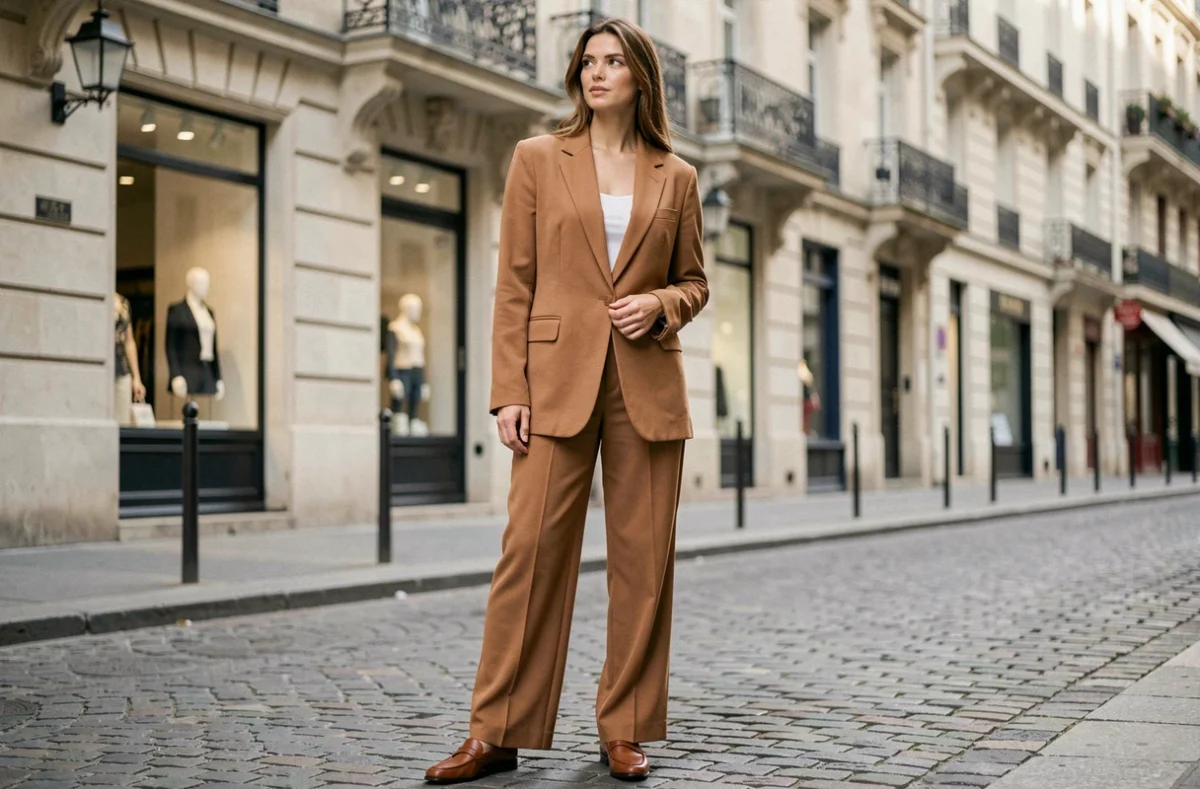
Each season brings its share of proposals on the runways, but not all translate the same way into wardrobes. The autumn-winter 2026-2027 fashion trends show marked discrepancies between what the shows highlight and what buyers are actually looking for, particularly regarding colors, volumes, and the growing role of second-hand items in creating a unique style.
Runway Colors for Autumn-Winter 2026-2027 and Worn Colors: The Gap
The September 2026 Fashion Weeks showcased vibrant palettes, from butter yellow to multicolored rainbows, including deep blacks presented in total looks. The contrast with consumer searches deserves to be clearly stated.
| Color or Palette | Presence on the Runways | Adoption in Wardrobes |
|---|---|---|
| All-Black (black card) | Very strong, presented as the foundation of the season | Already predominant in wardrobes, low novelty effect |
| Butter Yellow | Recurring in spring-summer, extended into autumn-winter | Adopted mainly in accessories or as a standalone piece |
| Floral Prints (flower power) | Wide presence, featured on dresses and coats | Sought after for dresses, rarer on structured pieces |
| Rainbow Palette (over the rainbow) | Visible in several houses | Very selective, worn by a limited audience |
Black, omnipresent on the runways, does not constitute a trend per se as it already dominates purchases year-round. The vibrant palettes attract editorial attention but are diluted in everyday looks. The catalogs found on modefashion.net reflect this tension between creative proposals and pieces actually worn.
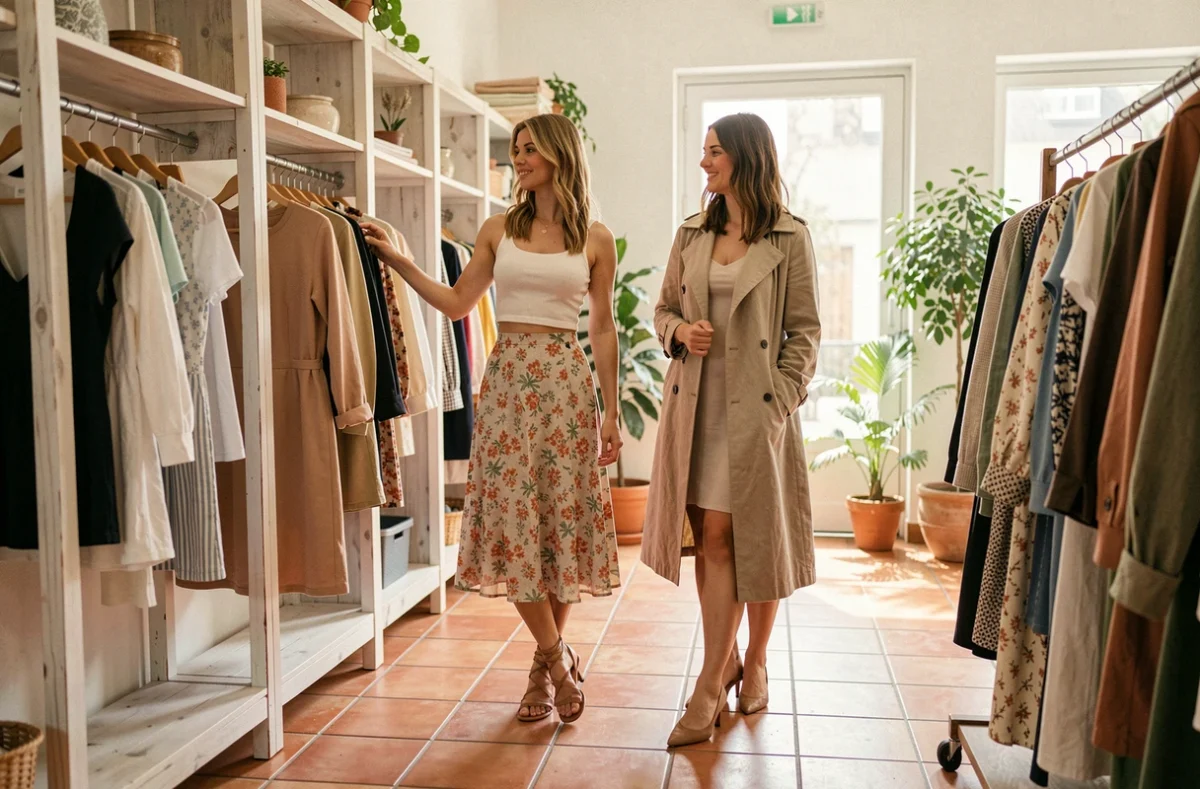
The floral print remains the most accessible bridge between designers’ proposals and a functional wardrobe. A dress with botanical patterns works equally well layered under a structured coat or as a standalone piece on the first mild days.
Volumes and Cuts: What the Autumn-Winter Silhouette Really Changes
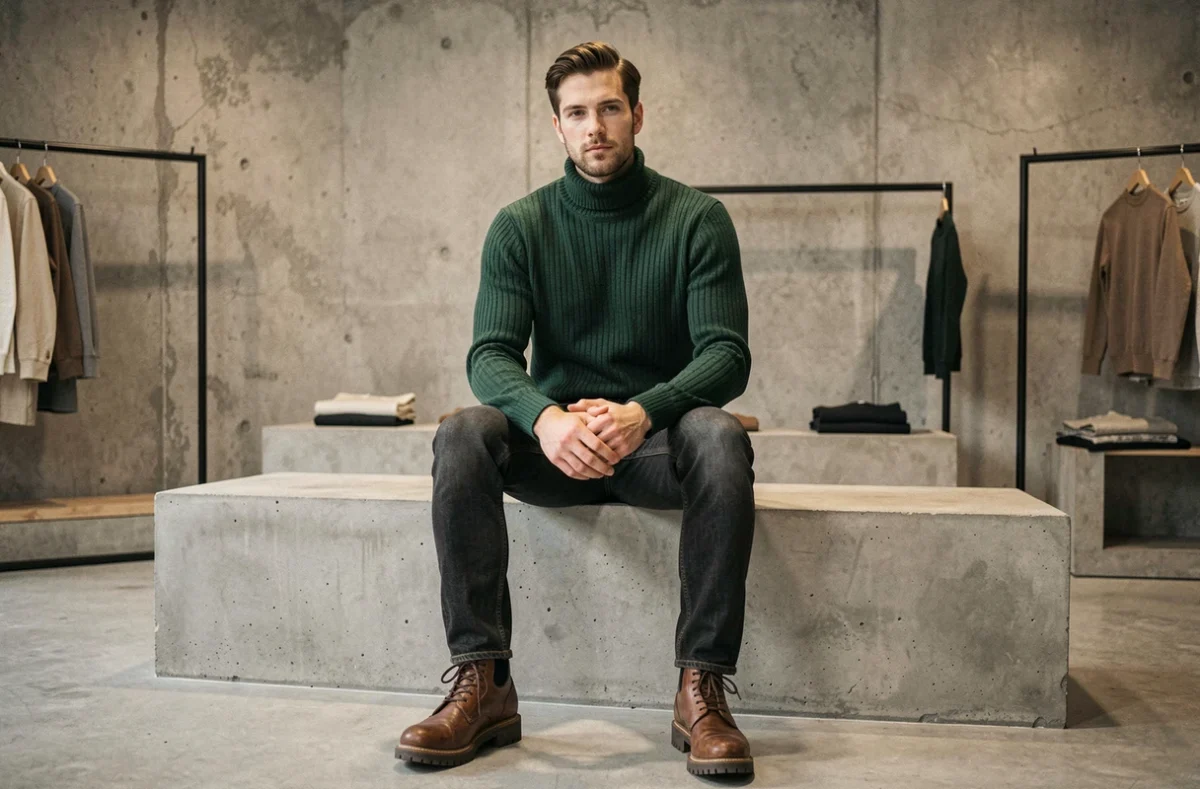
The runways confirmed two opposing directions regarding volumes. On one side, short and fitted pieces (skirts above the knee, tailored jackets in a working girl style). On the other, voluminous textures described as “fluffy effect” by the specialized press, featuring faux furs, thick knits, and oversized coats.
The volume concentrates on the upper body, while the lower part remains sharper. This principle of contrast guides the most replicable looks this season.
Fitted Cuts Below, Volumes Above
A straight pant or barrel jean (slightly rounded cut at the thighs, tapered at the ankle) paired with an oversized sweater or a voluminous short jacket creates a balanced silhouette without complex styling effort.
- The barrel jean differs from the classic wide jean by its curve at the knee, which adds movement without increasing width at the bottom of the leg
- The colorful short jacket, worn open over a solid turtleneck, provides chromatic contrast without resorting to a total multicolored look
- The oversized sweater works better partially tucked into the waistband than hanging freely, which defines the waist and avoids a shapeless effect
Adapting volumes to one’s morphology rather than replicating a runway look as is remains the main lever for creating a personal style. An ill-fitted oversized piece can overwhelm a petite silhouette, while a cut that is too fitted on both the top and bottom eliminates the play of proportions that makes the season interesting.
Second-Hand and Repair: An Underestimated Differentiation Axis for a Unique Look
The report The State of Resale AW26, published by Fleek on September 23, 2026, describes a growing professionalization of the resale market. One of the most useful observations for building a distinctive style concerns the availability of unsold new stock and pieces from liquidations.
The European regulation on the prohibition of destroying unsold textiles, gradually coming into effect, pushes brands to sell their surplus through other channels. Fleek anticipates that this evolution may increase the presence of new tagged pieces in the second-hand market.
Personalize Through Alteration Rather Than Purchase
Repair and artisanal alteration remain widely practiced outside brand circuits. Shortening a coat, adjusting the shoulders of a thrifted jacket, or modifying the hem of vintage pants transforms a generic piece into a custom-made item.
An alteration by an artisan costs a fraction of the price of a new piece and produces a result that no one else will wear. It is probably the most concrete way to stand out this season without increasing one’s fashion budget.
Autumn-Winter 2026 Fashion Trends: Three Filters Before Buying
Rather than listing pieces to acquire, three selection criteria allow for filtering the season’s proposals.
- Does the piece already exist in your wardrobe in a similar form? If so, altering or restyling it is better than a duplicate
- Does the trend rely on a (sustainable) cut or a (ephemeral) pattern? Cuts like the barrel jean or the short jacket can be worn for several seasons, unlike a very marked print
- Does the piece work with at least three outfits already present in the wardrobe? An isolated trend ends up at the back of the closet
This season’s fashion trends are less about a list of must-haves than about a balance between volumes, colors, and the origin of the pieces. A unique style is born from selection, not accumulation. Data from the resale market and evolving European regulations open options that classic trend guides rarely address, and perhaps this is where the most interesting finds of autumn-winter 2026-2027 lie.