In France, nearly one third of people aged over 75 express a desire to stay at home for as long as possible, even though half of them fear a loss of autonomy. Despite the increase in life expectancy, the systems promoting independence do not always benefit those who need it most.
Official recommendations emphasize the importance of suitable daily support, but many families struggle to identify concrete solutions. The gap between available resources and their effective use remains significant, hindering the quality of life for many elderly individuals.
The keys to mental and physical well-being in seniors
To age while maintaining control over one’s choices, there is no miracle recipe, but concrete levers. The balance between physical and mental health lies in the details of daily life. Regular physical activity, even moderate, protects mobility, delays the onset of pathologies, and reassures against the sometimes insidious erosion of autonomy. Some concrete examples include walking every day, gentle gymnastics, or simple exercises at home. Consistency is better than performance.
Another point of vigilance is nutrition. Malnutrition affects nearly 15% of seniors living at home, often quietly. Ensuring meal variety, monitoring hydration, sharing moments at the table—these nourish not only the body but also social connections. Sleep also deserves special attention: regular schedules, a calm environment, soothing rituals. These actions create a reassuring atmosphere and promote falling asleep.
Social isolation remains a major pitfall. Without regular exchanges, mental health weakens, and depression can set in more easily. Increasing opportunities for meetings, expanding social circles, encouraging curiosity and dialogue—these are what maintain mental vitality. Collective activities, intergenerational workshops, or neighborly gatherings: every interaction counts.
To explore other avenues, gather information, or find testimonials, the platform seniorsconnexion.fr offers a range of resources grounded in reality. Health professionals emphasize: monitoring one’s lifestyle, managing stress, listening to one’s body and desires is the path to a more serene daily life. Providing this attention means choosing to support longevity rather than endure it.
How to encourage autonomy in daily life without neglecting safety?
Staying autonomous is built step by step. No overconfidence, nor hindrance under the pretext of protection. Home modifications play a pivotal role in allowing one to live at home, at their own pace, without multiplying dangers. Here are some actions to consider to enhance home safety:
- Install grab bars in the bathroom, equip the entrance with a ramp, choose non-slip mats, and improve lighting. These simple measures reduce the risk of falls, the leading cause of domestic accidents among seniors.
To go further, several options exist to personalize support and lighten daily life:
- Consult an occupational therapist to establish a tailored assessment of home autonomy.
- Inquire about financial assistance: MaPrimeAdapt’ covers part of the modification costs, and additional provisions are offered by pension funds or local authorities.
- Utilize home services to assist with daily tasks while respecting individual freedom.
The role of relatives and professionals is to support without suffocating. To secure, yes, but without infantilizing. Communicating, listening, involving the elderly person in every choice related to their environment or daily organization preserves their dignity and confidence. Staying at home remains the majority choice, supported by tax measures and direct assistance that prioritize prevention. At every stage, the person concerned should be able to make their voice heard.
Simple activities and habits to enrich quality of life after 65
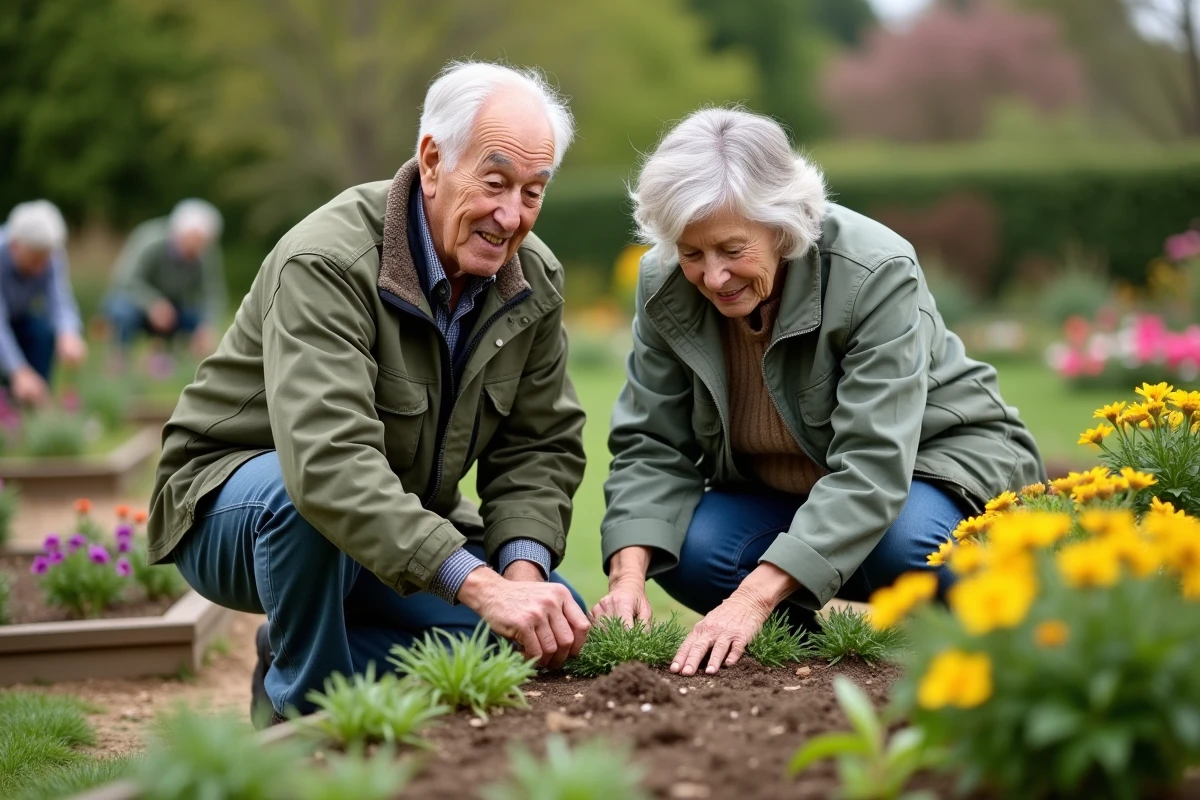
Staying active means refusing resignation. Walking, whether in the city or in nature, stimulates the body and maintains the joy of movement. Adapted physical activities, gentle gymnastics, yoga, Nordic walking, protect flexibility, limit the risk of falls, and boost self-confidence. Each person should find their own rhythm and practice according to their fitness and desires.
Social activity structures days and nourishes mental balance. Board games, creative workshops, shared readings, or cultural outings: increasing opportunities for encounters offers the mind a renewed playground. Joining a local association, engaging in volunteering, joining a senior club, or simply sharing a meal with family are all opportunities to cultivate social connections and revive the joy of living.
Here are some habits to integrate into daily life to enhance personal growth:
- Adopt regular physical activity suited to one’s abilities.
- Maintain a lively social network through outings, exchanges, and meetings.
- Allow for well-being rituals: relaxation, meditation, light therapy sessions if needed.
Varying activities, opening up to new experiences, and nurturing curiosity: quality of life after 65 is shaped by the diversity of experiences and the attention given to oneself. At any age, it remains possible to reinvent daily life and dare to embrace new impulses. The path does not narrow; it opens up for those who dare to take it differently.