Since 2019, more than 60 trades have been added to the official list of Arts and Crafts in France, bringing the total to 281 specialties recognized by the State. However, some sectors remain excluded from aid or training programs, despite their role in passing down a unique heritage.
The majority of artisans report difficulties in recruiting or passing on their businesses, while the demand for local and authentic products continues to grow. This structural contradiction jeopardizes the sustainability of regional know-how that is sometimes centuries old.
Why French know-how enriches our regions
The mosaic of craftsmanship nourishes local heritage and shapes French identity. Whether it is leather worked in Graulhet or porcelain crafted in Limoges, each region cultivates its own arts and crafts, products of a long tradition of excellence and inventiveness. Artisan businesses, often family-owned, perpetuate a collective memory while reinventing themselves to meet today’s needs. With over 60,000 small businesses specializing in high-quality craftsmanship, France shines in both local markets and luxury houses.
Products made in France, marked with the seal of “made in France,” express a tangible alliance between quality and regional identity. Professionals in the arts and crafts sector energize the economy, social life, and culture, whether during European Arts and Crafts Days or through the work of local associations. Technical innovation and tradition constantly respond to each other in this dense and vibrant fabric.
On coeur-artisan.com, excellence in crafts comes to light. This site pays tribute to the diversity of talents, highlights local sectors, and fosters the transmission of living heritage. Each French territory thus becomes a hub of creation, where each artisanal gesture adds a stone to a shared history, far from standardized production.
Which artisans and trades are perpetuating these unique traditions today?
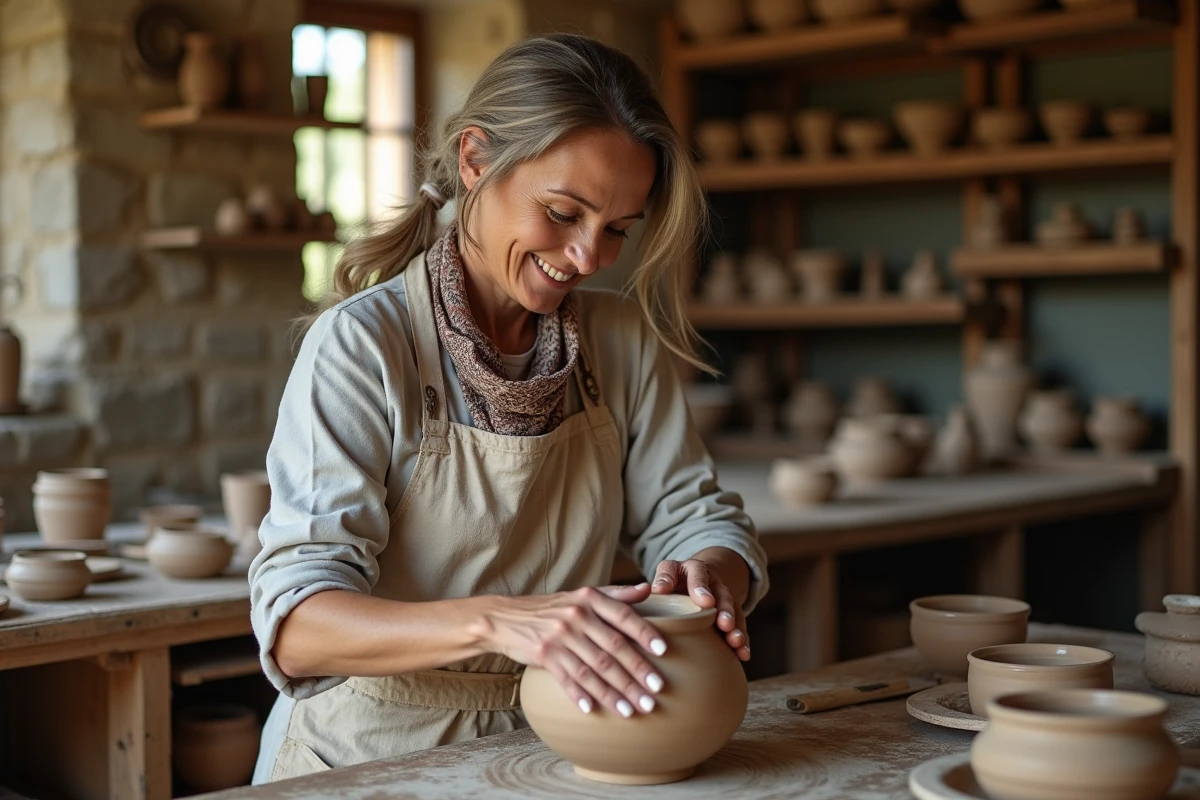
Today’s artisans proudly carry the banner of tradition and innovation. Carpenters, blacksmiths, cabinetmakers, as well as ceramists, glassblowers, or cutlers: all these professionals master techniques refined over generations. Their know-how is anything but a frozen postcard: it lives, evolves, and nourishes training and apprenticeship. The arts and crafts are embedded in construction, food, production, or services and constantly push the boundaries of their fields.
Some emblematic figures and sectors
To illustrate this diversity, here are some emblematic examples from different regions:
- The cutlers of Thiers, custodians of a centuries-old know-how, combine traditional steel with modern innovations.
- The tile makers of Lot continue the artisanal production of terracotta, with each piece being handcrafted.
- The cabinetmakers of Île-de-France reinterpret art furniture, blending classical heritage with contemporary creations.
- Bakers, present in every city and village, cultivate the culture of sourdough bread and slow fermentation.
Transmission is rooted in training and apprenticeship, supported by the chambers of crafts and artisanry (CMA). Specialized institutes guide young people towards excellence. Awards and distinctions recognize creativity, encourage boldness, and pave the way for the future of trades. Each artisan business thus embodies a part of our history and weaves a bridge between heritage, innovation, and everyday practices.
Taking concrete action to support local craftsmanship: ideas and initiatives to discover
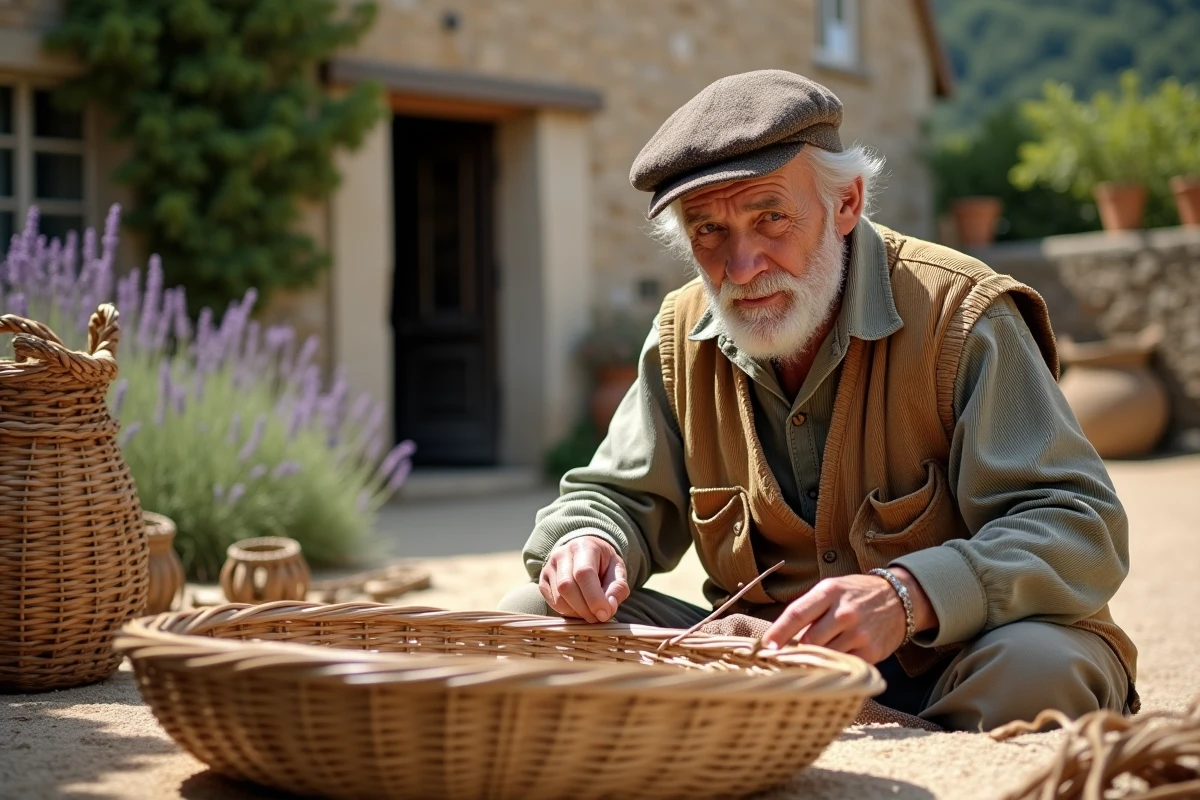
Promoting French craftsmanship involves concrete actions. Regional markets, fairs, and exhibitions are essential gatherings where creators showcase their work, meet the public, and build direct connections with their customers. These events, supported by local authorities or associations, stimulate the dynamics of territories and strengthen local artisan sectors.
Digital technology also opens new perspectives. Social media has become interactive showcases, where photos, videos, and demonstrations attract a varied audience. Networking platforms facilitate the discovery, purchase, and support of artisans throughout France. And to raise awareness among the younger generation, practical workshops, studio visits, or initiatives like the cultural pass awaken curiosity and inspire vocations.
To navigate this abundant offering, certain official labels like “living heritage company” guarantee the authenticity of know-how, the quality of raw materials, and short production circuits. Digitalization, far from being a mere trend, extends the workshop experience to the customer while preserving the soul of each produced piece. Every action, whether taken locally or nationally, contributes to showcasing the richness of living French heritage and the creativity of its artisans.
Tomorrow, on stalls and online, every object from craftsmanship tells a fragment of territory and history. France, strong in its hands and materials, thus writes a story that continues to renew itself.